what to expect in your first somatic coaching and bodywork sessions: a sensory guide
in this 3rd "introduction to somatics" blog post, learn what to expect from your first coaching or bodywork session.
entering a new therapeutic space can feel overwhelming, especially for neurodivergent and queer folks who have experienced medical gaslighting, dismissive providers, or uneducated attitudes. i want to reduce that anxiety by being transparent about what happens when you step into a session with me in Tallinn or online.
in this work, we follow the wisdom of adrienne maree brown from “Emergent Strategy”: “move at the pace of trust.” my priority is to create a container where your soma – your whole brain-body system – feels seen, held, and choiceful.
safety, belonging, and dignity: the core of our work
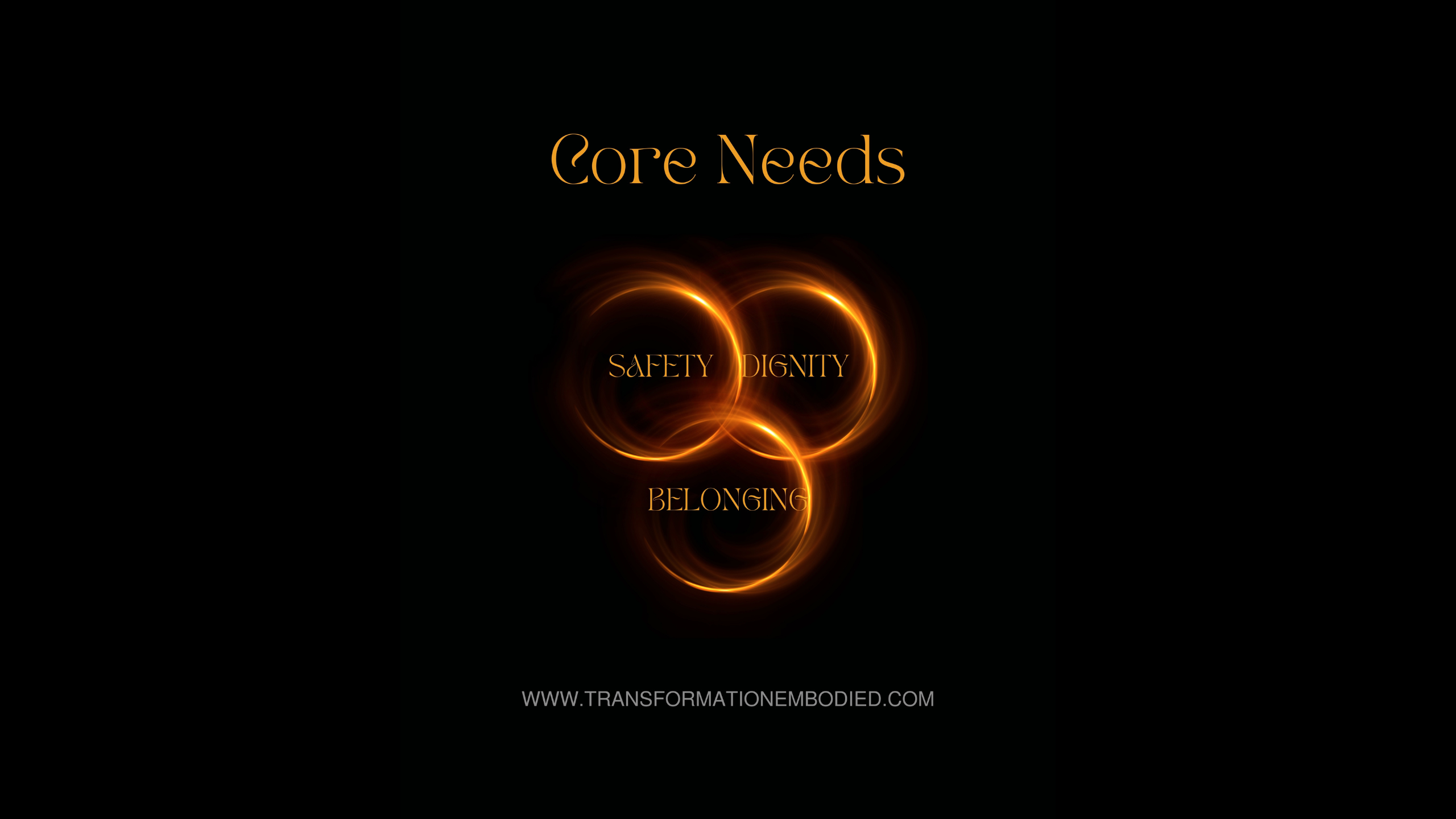
at the heart of Strozzi Somatics is the understanding that we all have three core needs: safety, belonging, and dignity. in this context, trauma is somatically defined as what happens when these needs are breached, or when we are forced to sacrifice one to maintain another.
for many of us, survival has meant making impossible choices:
- sacrificing your dignity—your difference, your uniqueness, your unmasked self—just to belong to your family or friend group.
- feeling safe in the street only by sacrificing your dignity and ensuring you aren’t visibly queer.
- feeling like you can finally be yourself (dignity) and be safe, but having to be completely alone, sacrificing belonging.
the goal of our sessions is to interweave these three needs back together so they no longer have to fight with each other.
your safety is the foundation
the goal of our first, or any, session isn’t to fix you. you aren’t broken; you are a person who has skillfully adapted to survive in a world that wasn’t built for your neurotype or your identity.
so, the first session is about beginning to build a relationship of safety between you and me, and between you and your own body. we move slowly because “slow is smooth and smooth is fast.” by respecting your nervous system’s limits and never forcing an opening, we create the conditions for deep, sustainable embodied transformation.
the in-person journey in Tallinn
when you arrive for an in-person session, the environment is your and mine to co-create. i understand that for a neurodivergent nervous system, sensory input is never neutral.
crafting your sensory container
before we begin the deep work, we adjust the room to fit your needs. we can dim the lights or close the curtains to reduce visual overstimulation. if we’re doing a bodywork session and you’d like to regulate the temperature, we can turn on the heating pad between you and the massage table, or open a window to let in fresh air. if you feel exposed or too “perceived,” we can use a weighted blanket to help you feel held or an eye mask to turn your attention inward.
these aren’t just comforts; they are somatic tools that help your system feel that it is safe to be exactly as you are.
the flow of the session
whether we are doing somatic coaching or somatic bodywork, the structure remains consistent:
- the opening conversation: we start with a short 10-15 min check-in to set your intent. we talk about what you are longing for—perhaps it’s relieving chronic pain and tension, unmasking autism, or navigating questions around sexuality and gender expression.
- the core work: in a coaching session, we move into specific somatic practices (rooted in aikido, meditation, and other Eastern traditions). in a bodywork session, you lay fully clothed and face-up on a massage table. in both, i use coaching questions to deepen the conversation, work with the expected defenses that come up, and help you deepen in your process.
- the debrief: we always leave time at the end to integrate. we discuss what you noticed in your body, how the experience relates to your overarching longing, and how to carry that felt-sense into your daily life through practical next steps.
consent as a living practice
during bodywork, i use a combination of pressure points and holds, breath patterns, and gentle limb, body, and eye movements. i prioritize consent at every single moment. especially during the first session, i will narrate what to expect before making the move. i’ll ask, “is it okay if i place my hand under your shoulder?” or “is this pressure too much, too little, or just right?” i invite you to be self-responsive—if a hold felt good a minute ago but feels invasive now, we stop or change it immediately.
if you ever feel the rising inner tension of overstimulation or the heaviness of a shutdown, we pause. this work is not about powering through discomfort; it’s about learning to listen to your bodily signals and trusting that you have the right to ask for exactly what you need without losing belonging.
the online experience — somatics from your own space
many people are skeptical about how somatic transformation can happen over an online session. however, somatics is about the soma—your embodied self—and your body is present wherever you are. the Strozzi methodology is crafted in a way that all of the practices can be adjusted for online sessions, and i have received specialized training in guiding bodywork sessions in a virtual format.
adapting the touch
in online coaching sessions, we replace physical touch with “energetic” or imagined touch, and i teach you how to perform bodywork on yourself. i guide your hands to do the same techniques i would use in person. for example, i might lead you through a specific hold on your own jaw or chest, helping you identify the contractions and asking, “what might this tension be taking care of?”
working online allows you to stay in your own familiar environment, which can be a huge resource for those with high sensory sensitivities, mobility challenges, or chronic illness restrictions. we use your own furniture, blankets, and space to build your little oasis of resilience.
practices for the real world
online coaching is particularly effective for building sustainable habits. because we are working in the space where your life actually happens, the practices feel less like a visit to a practitioner and more like a tool you can use the moment the call ends. we might practice centering while you sit at the very desk where you usually work and feel the weight of daily responsibilities, helping your nervous system map a new way of being in real-time.
what if i can’t find the words?
a common concern is the fear of not being vulnerable enough or not having the right words to describe a sensation. please know: that is a very normal part of this work.
if words feel out of reach, we don’t force them. your body speaks in a different language—through gestures, micro-movements, sounds, or even drawing. i have the experience of working with many different forms of communication, and i try not to over-value verbal communication. sometimes, the most profound work happens in a shared silence where we simply notice the rhythm of your breath. i use somatic questions to help you slowly build a vocabulary for your internal world, moving at a pace that doesn’t feel like an interrogation but rather an invitation into your own longings.
ready to begin your transformation?