Feministeerium's “Ära kaaguta!”: how the queer community takes care of their mental health
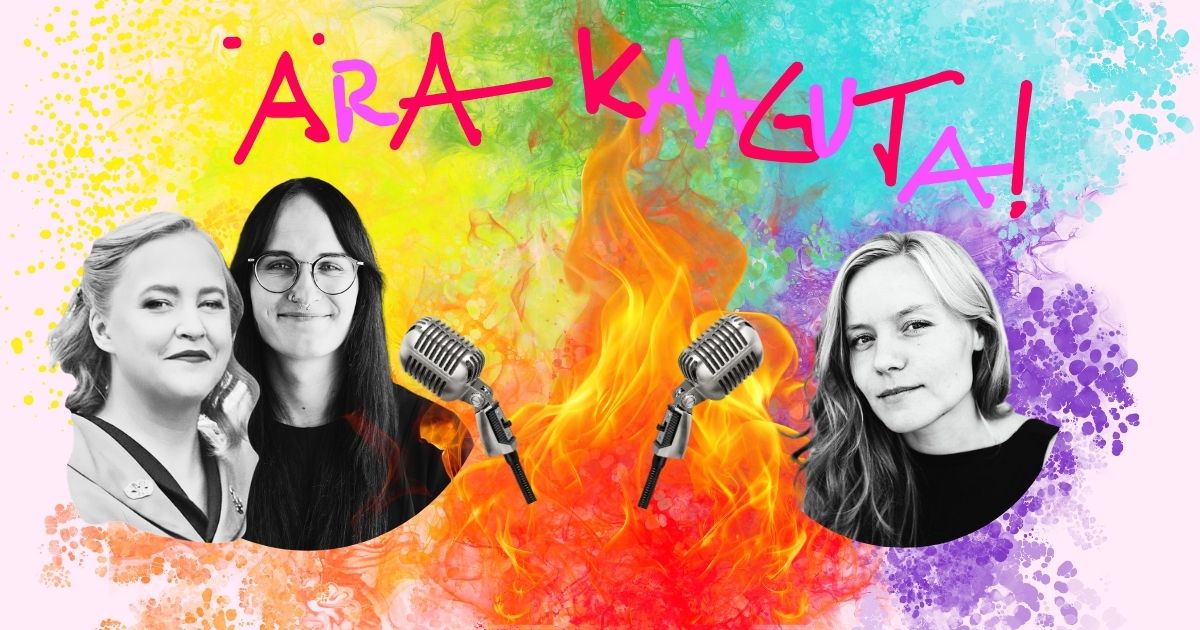
in this episode, Greta Roosaar alongside Vikerteraapia mõttekoda founders Laura Barbo and Joelle Marcelle Antson discuss LGBTQ+ mental health, minority stress, somatics, and the ongoing Pride month.
what you’ll hear in this conversation
Vikerteraapia mõttekoda and “Ruum meile”
the idea started back in 2023 when Laura noticed the poor state of mental health among her LGBTQ+ friends and a severe lack of specialists who know how to properly support the community. too often, instead of receiving help, LGBTQ+ people end up experiencing misunderstanding, adding to their minority stress, or having to educate the therapist themselves. in 2025, Joelle Marcelle and Eva Lond joined, and the events under the name “Ruum meile” (A Space for Us) were born. Estonia lacks deep, specialized education on these topics, which is why the future goal of the think tank is to start providing trainings for mental health professionals.
minority stress, myths, and trauma
- minority stress is the accumulation of extra stressors experienced by people who are marginalized or minoritized in society.
- the regret rate of gender transition is a myth—and regret is primarily experienced due to social non-acceptance, and transitioning as a minor means first and foremost social transition, not surgeries.
- among children, gender transition mainly means social transition, not surgeries—the only children surgeries are performed on are intersex children, in order to “correct” them into a binary norm. many of them experience trauma and pain because these early medical decisions were made for them without their consent.
- a heightened sense of danger and state of fear are devastating—minority stress is shaped both by anticipated and experienced violence in public spaces, as well as the internalized negative messages heard since childhood.
what is somatics and bodywork?
somatics is a way of being in contact with ourselves and our bodies (soma, meaning the human being in their wholeness), each other, and the planet. it is divided into two methods:
- somatic coaching is conversational, integrates various somatic practices, and is directed toward reaching clear goals.
- somatic bodywork takes place on a massage table, using pressure points, holds, movements, and other techniques instead of kneading muscles. the goal is to explore the role that stuck tensions and emotions play within your body.
people come to these sessions primarily with chronic pain, to find a sense of safety in the body again, to learn to say “no,” to process grief and intense emotions, and to navigate themes related to gender, sexuality, and neurodivergence—allowing the body to simply be as it is.
positive changes and calls to action
we are also seeing beautiful shifts in society: this year’s Baltic Pride features more events than ever before, and over the past six months, several new organizations focusing on LGBTQ+ mental health topics have emerged.
calls to action:
- Vikerteraapia mõttekoda has created a support group for the loved ones of trans people, which meets on the last Monday evening of every month.
- and if anyone feels insecure or fearful before the Pride march, feel free to write to the think tank or look for them in the procession. the more of us there are, the greater the support.
read or listen to the full conversation
originally published as a Feministeerium’s article and podcast in Estonian.
could somatics support your journey? book a free discovery call to explore what working together could look like.